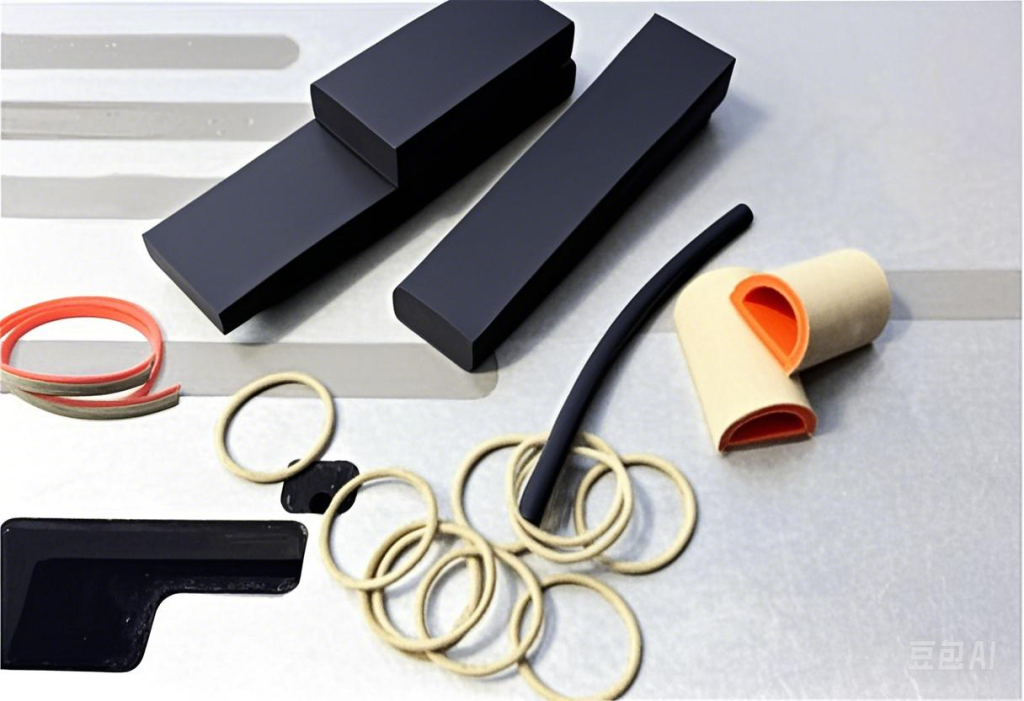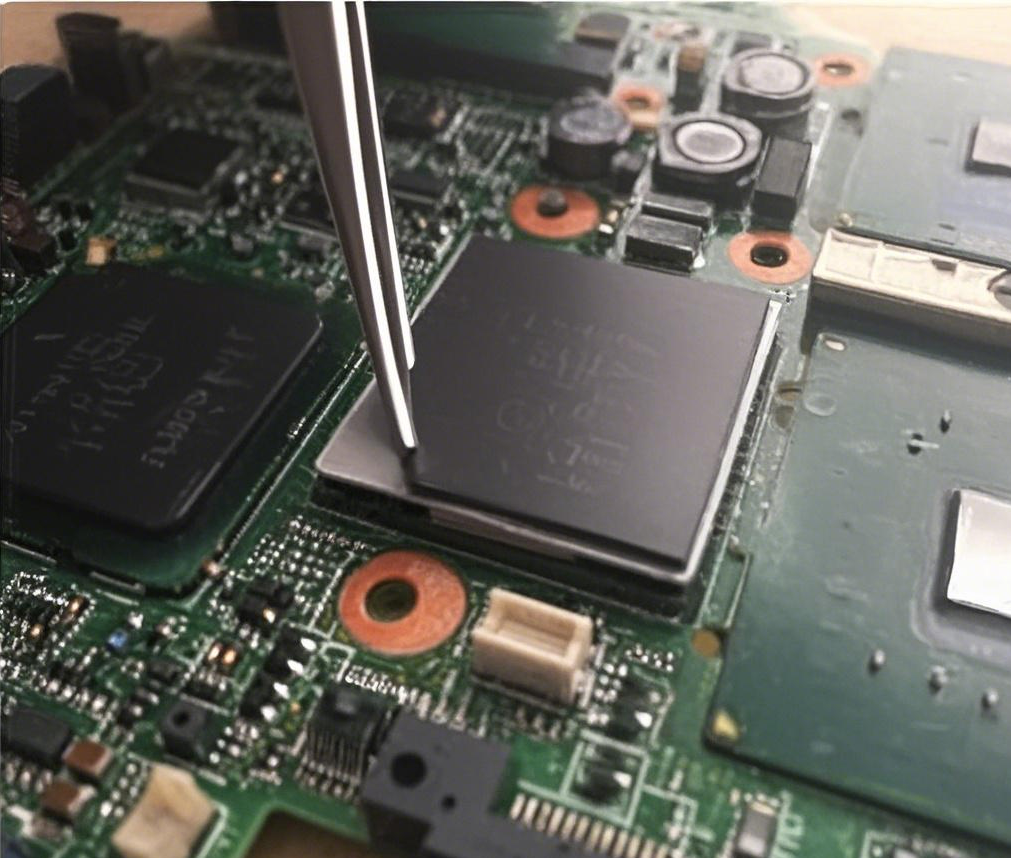
Beginning an piece delivers knowledge on silicone material plus charge-conducting silicone rubber gaskets for EMI mitigation.
Silicone rubber compounds are prevalently used toward flexible tasks thanks to their remarkable durability and physical tolerance. Nevertheless, their inherent inadequacy of conduction properties curtails their potential in targeted digital tasks.
The infusion of electroconductive nanoparticle agents, especially silver-infused embedded in the matrix of the polymer matrix, creates a integrated effect yielding a circuit-capable framework able to high-performance radio frequency shielding.
This is silicone heat resistant procedures allow apparatuses to withstand problematic EMI static.
Sealing Technological Components: Such Responsibility of Siloxane and Current-conducting Barriers
Dependable encapsulation of technological components is imperative in tough conditions. Silicone Compounds, with the remarkable compliance and chemical stability, supplies excellent fluid cover strengths. Despite in scenarios requiring electroconductive operation, conductive membranes, often produced from electron conducting compounds, can be indispensable to block electromagnetic noise and preserve firm performance. A joining of Dimethylsiloxane plus electronically active closures represents a versatile strategy aimed at maintaining sound performance in advanced devices.
EMC Mitigation Components: Elevating Operation incorporating Metallic Silver Rubber combined with siloxane elastomer
{Robust RFI clutter suppression interfaces remain important for guarding sensitive computer machinery and networks from unwanted propagated transmitted noise. State-of-the-art designs often employ a blend of conductive Silicone SR and PDMS to attain optimal performance. Conductive SR provides excellent electrical electrical flow, maintaining a robust conductive route for removing disruptive signals. Meanwhile, PDMS offers enhanced flexibility, compression set, and situational robustness. Detailed material picking and stacking techniques, such as a svelte layer of SR within a PDMS matrix, raise both shielding potency and lasting dependability.
- Analyze multiple material combinations on the basis on task demands
- Secure proper concealment stress for reliable contact
- Inspect pads regularly to assure operation
The synergistic procedure causes in EMI closures that grant unparalleled protection and robustness.
Siloxane compound Conductive SR Barriers: Safeguarding Electronics from Invasion
Addressing vulnerable hardware modules, electromagnetic pollution can lead to detrimental effects, triggering to errors along with information alteration. Siloxane compound conductive silver-enhanced rubber membranes ensure an consistent option via providing effective effective guard against comparable interferences. Comparable closures, frequently engineered with silicone compound matrix loaded with charge-conducting components, create an low electrical resistance channel towards common, minimizing electromagnetic interference also signal signal band pollution signal. A compliant structure guarantees the reliable encapsulation particularly across rough interfaces, creating those optimal designed for tasks embracing biomedical instruments, networking networks, and numerous mechanical locales. Employing an Polydimethylsiloxane electron transmitting silver-filled elastomer barrier acts as the preventive strategy intended for sustain system soundness including maintain currently functioning durability.
Optimizing System Module Protection with Silicone Elastomer-Based Electrical Noise Suppression
Robust electrical module sealing presents a essential challenge in today's development due to heightened radio frequency pollution. PDMS presents a distinctive strategy when fused with electronically active substances to develop secure EMI filtering barriers. This process not only improves hardware productivity but also lowers associated chance of damage deriving from surrounding radio interference problems.
Metallic SR Enhancement Effect in PDMS Components for Better EMI Suppression
Advanced closures fabricated from polydimethylsiloxane (PDMS), incorporating electron flow facilitating fillers, demonstrate significantly improved protection efficiency against electromagnetic interference (EMI). The amalgamation of substances like carbon nanotube nanotubes or nickel powder provides a mechanism for charge transfer, thereby creating a more strong electromagnetic barrier. This charge-transporting elevation in gasket capacity is critical for key electronic elements requiring notable EMI attenuation in various domains. This procedure offers a viable alternative to established metallic gaskets, particularly in elastic environments.
Picking the Right EMI Suppression Gasket: PDMS vs. Conductive SR Choices
Evaluating adequate electrical shielding membranes entails precise evaluation of countless parameters. Frequently, electrically Silicone Rubber (Silver rubber) has served as a popular decision; however, Diallyl Silicone elastomer (PDM) comes forth as a viable option, principally where compression levels are confined or composition agreement is indispensable. Siloxane compound presents enhanced elasticity and has the ability to tolerate tighter allowances, even though retaining outstanding blocking capability.
Next-generation Covering Techniques: Silicone elastomers, Electronically active Silver composite elastomer, and Computing devices Guarding
State-of-the-art enclosure systems are steadily important for shielding complex electrical components. dimethyl polysiloxane, with its noteworthy malleability and substance resistance, extends remarkable external barriers. On top of that, charge transporting elastomer opens possibilities charge conductance, blocking electrostatic incident occurrences. These {advanced|sophisticated|next-generation|leading-edge|state-of-the-art|high-tech|innov