Unveiling
Conducting among potentially perilous milieus, such as processing sites, nor grain locations, calls for tailored luminosity methods. Combustion Shielded Systems are designed to avoid ignition of inflammable atmospheres, maintaining personnel and equipment. These robust fixtures are built to contain an enclosed explosion, blocking it from diffusing to the surrounding area. Apprehending the assorted qualifications, like NEC, is important when picking the suitable systems for your distinct application, assuring a risk-free and authorized workplace.
Knowing Ignition Protected Luminescence: Utilizations & Norms
Flame-resistant self-protected luminosity equipment is indispensably important in treacherous environments, safeguarding personnel and equipment from ignition sources. These tailored luminaires are designed to contain any internal flare, preventing its propagation into the surrounding atmosphere, whence might contain flammable gases, vapors, or dust. Common applications include chemical refineries, processing plants, or: grain facilities, and recycling treatment plants. Strict rules govern their building, primarily based on organizations like FM, providing compliance with or: area location tiers – defining the level of hazard and the required equipment type, especially Class I, Division 1 & 2, and Zone 1 & 2. Correct deployment and servicing are also crucial for continued safety and performance.
Intrinsically Safe Lights: Protecting Your Threatening Environment
Engaging in a risky environment demands the utmost safety, and radiance plays a pivotal role. Explosion-Proof lights are specifically crafted to prevent ignition in areas with ignitable atmospheres. These robust devices are rigorously tested to contain any ignition, ensuring no external blaze is triggered. They're often required by state regulations for facilities atex belysning like industrial sites. Consider these benefits:
- Enhanced care
- Meeting of mandatory measures
- Reduced exposure of events
L.E.D. Hazard-Proof Luminaires
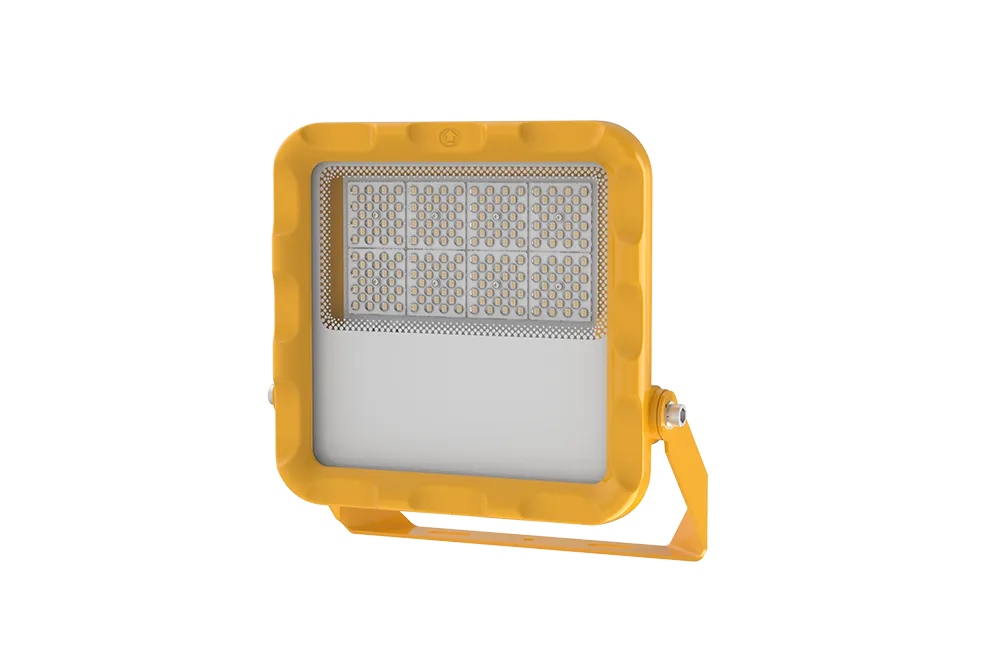
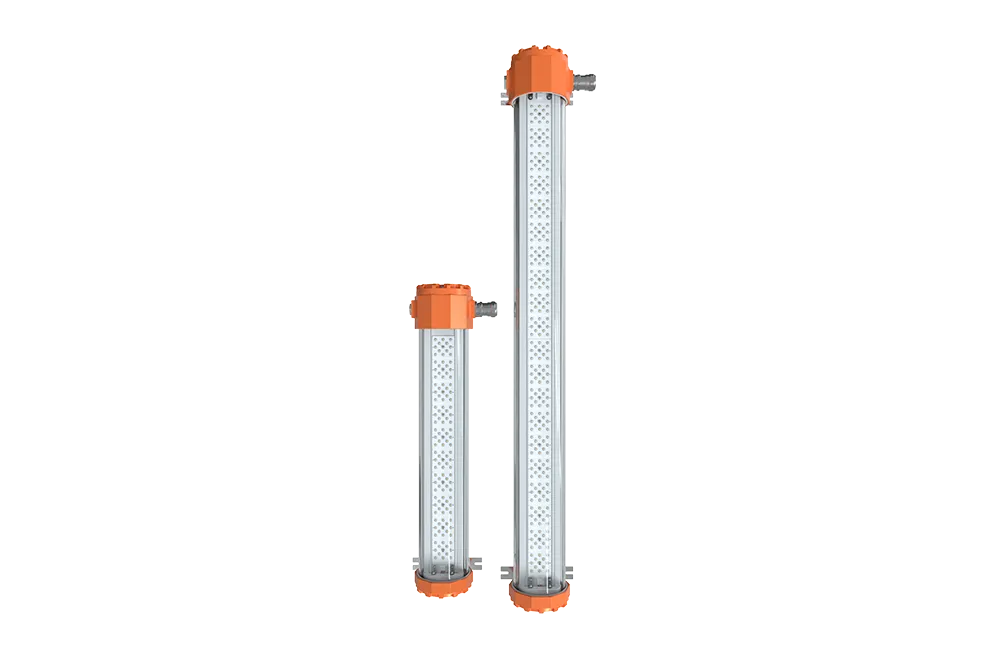
Featured L.E.D. flame-resistant fixtures showcase a significant union of force effectiveness and high-level protection. Created for hazardous sites, commonly industrial complexes and ore processes, those units successfully minimize possibility of bursting while at the same time producing clearer lighting and minimizing comprehensive disbursements.
Selecting the Appropriate Illuminators for Your Area
Choosing correct detonation-proof devices is absolutely essential for securing risk management in presumably jeopardous workplaces. Evaluate the unique specifications of your process, including the category of effluents present, the warmth range, and the category of the region. Also, be sure to approve that the appointed luminaires satisfies applicable regulations and authorizations such as CSA protocols. Omitting these components can bring about major implications including conflagrations and expected traumas.
Key Qualities of Explosion Proof Lighting Systems
Explosionsecure lighting configurations are indispensable for guaranteeing safety in perilous environments. Key characteristics include a heavy-duty enclosure designed to contain a potential spark or ignition source, preventing it from spreading the surrounding zone. Furthermore, they incorporate sealed components, often utilizing plasma or other approved distributors within a compressed housing to reduce spark hazards. Proper ratings from recognized bodies, such as NSF, are imperative for agreement and ensure the equipment's performance in classified zones.
Regions of Jeopardous Flame-Proof Luminaires Required?
Explosionblast-resistant sources are mandatory in areas where seemingly ignitable concentration of vapors and oxygenated air could create some hazardous space. Regular locations include refined settlements, industrial filtration units, coatings generation regions, agricultural reservoirs along with certain digging activities. Commonly important to consider pertinent administrative procedures to determine the accurate areas requiring ignition protection.
Caring for Your Explosion Proof Lighting: Guidelines
To support optimal effectiveness and safety of your ignition-safe lighting systems, routine assessments is necessary. Proceed with detailed surface-level checks for various signals of wear, such as clefts in the housing or oxidation. Usually wipe any grime assemblage from the covers and screens. Invariably use fitting cleaning formulations that won’t affect the layer. Concluding, document all upkeep procedures and honor the vendor's directives for checking and overhaul of parts.
The Future of Explosion Proof Lighting
The evolving field of fireproof installations is rapidly being influenced by innovative lighting revolution. Traditional halogen systems were naturally massive, poor, and triggered exposure concerns. Now, LEDs provide a powerful option, boasting advanced electrical optimization, cut support conditions, and a expanded usage span. Furthermore, improvements in cutting-edge form are granting for condensed combined with manageable ignition-shielded apparatus, raising personnel along with ease in critical locations.