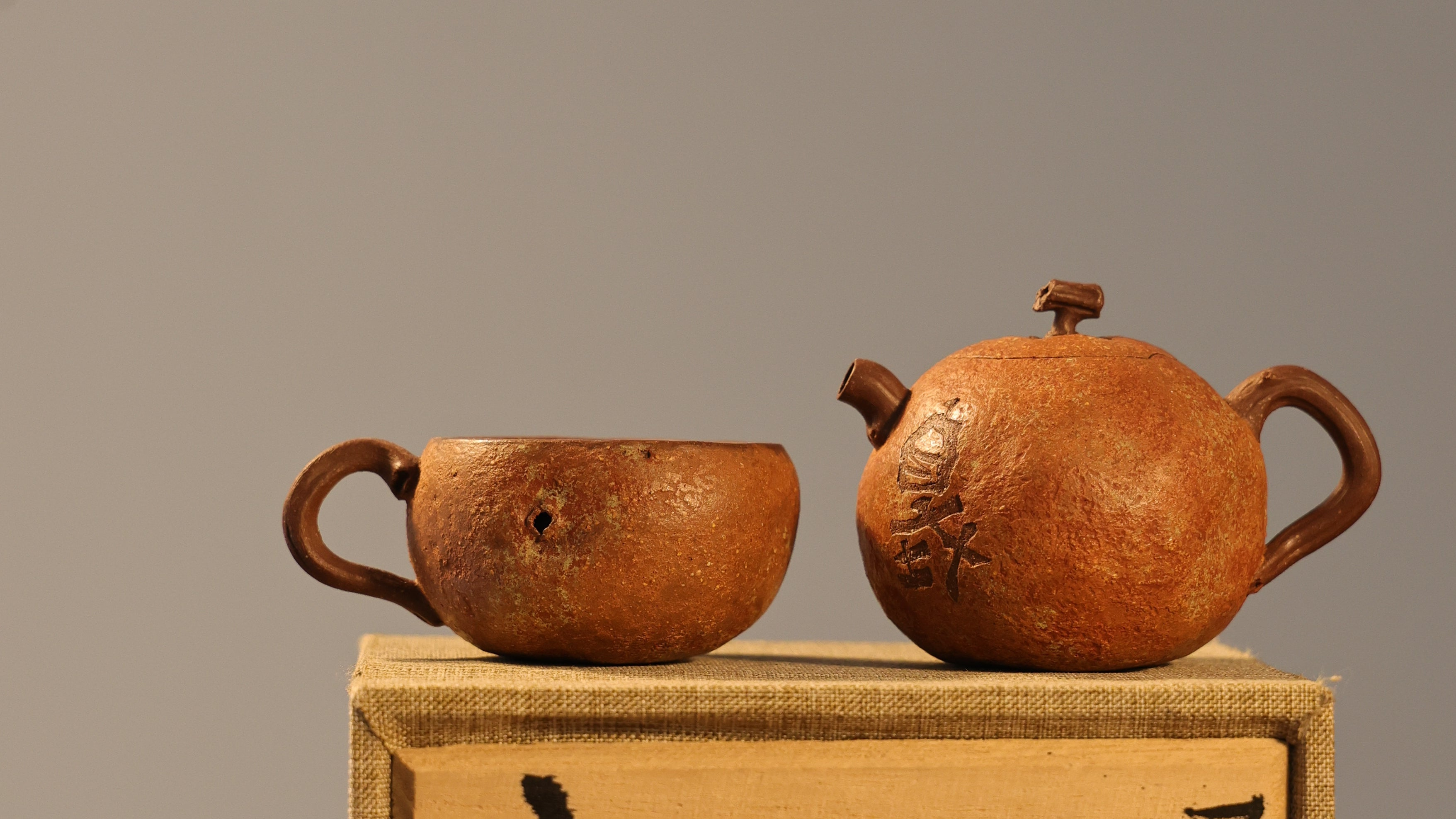
Across age-old chronicles,
Throughout decades, collectors have been enchanted by the extraordinary charm of Yixing Zisha carafes. Originating from the region of Yixing in the region of Jiangsu, these containers are renowned for their illustrious beauty, rare clay, and intrinsic ability to improve the aroma of the beverage. The substrate's distinctive burgundy hue, combined with the adept manufacture of provincial fabricators, creates artworks that are at once functional productions and costly investments. Acquiring a Zisha teapot is more than just a purchase; it's embracing a rich cultural heritage.
Understanding Yixing Teapots: Saga, Models, and Cost
Famous Yixing teapots manifest a vast record deeply intertwined with Chinese culture. Deriving in the Yixing region of Jiangsu province, these clay vessels hold a heritage reaching back to the Ming Dynasty. First examples were functional, but throughout centuries, Yixing teapot making evolved into an esteemed art form. The clay itself, known for its unique feature and ability to modify the flavor of the tea, persists a defining factor. Yixing teapots arrive in various designs, broadly categorized by shape: Classic such as Zhuni (purple clay) and Bisheng, as well as custom designs. The esteem of a Yixing teapot rests on several factors, including the potter’s name, the age of the piece, the rarity of the clay, and its aesthetic appeal.- Account: Old ages
- Earth: Various types
- Worth Components: Age
Art of Zisha Pottery: Skill and Makers
That production of a original Zisha teapot is a challenging process, requiring years of competency. Experienced artisans meticulously select the premier Zisha clay, a rare earth found only in specific regions of China. Classic techniques, often conveyed through families, involve exacting shaping, sophisticated carving, and gradual firing in ancient incinerators. The ultimate teapot isn't merely a vessel; it's a testament to innovative vision and the profound connection between the artisan and their legacy. Each item showcases the singular touch of the artisan, resulting in a truly incomparable work of pottery.
Classical Ceramics: Surveying the Vast Practices of Yixing City
Esteemed Yixing, nestled in Jiangsu the expanse, is widely renowned for its exceptional cookware – a tangible representation of centuries of Chinese art. These aren't merely vessels for making tea; they are intricate works of craft, often reflecting historical ideals. That unique purple clay, known as Zisha, possesses remarkable qualities: the substance dense, letting air Purple Clay Teapot through, and imparts a subtle taste to the tea.
- Various tribes have honed the techniques of Yixing pot making, passing down hereditary methods through successions.
- Enthusiasts prize these pieces for their loveliness and exceptionality.
- Every container tells a account, connecting the drinker to a rich history.
Exploring Yixing Zisha: What to Look For
During analyzing get Yixing Zisha teapots, multiple considerations call for careful review. In the first place, the earth's tone is vital; authentic Zisha ordinarily exhibits a identifiable auburn hue. Furthermore, inspect the technique; clear aspects and a sleek coating reveal proficient making. Eventually, analyze the producer's prestige; reputable names yield augmented figures and often bestow a reliable reward.
Crafting Tea with Zisha Clay Vessels
Making exquisite tea with a Zisha vessel is more than a simple custom; it's an technique. Zisha clay, acclaimed for its unique physical composition, imparts a gentle character to the finalized tea that’s often missing with other containers. The right water thermal condition is fundamental; typically, reduced than what's used for black tea, to save the tea's scent and taste. Consider carefully the tea breed; delicate green teas or aged pu-erhs prosper from the Zisha’s ability to tone down their inherent edge. It’s important to condition the teapot preceding brewing, and to refrain from over-steeping. Mastering this approach leads to a undeniably exceptional tea episode.
- Knowing Zisha Clay
- Thermal Condition of Water & Tea Type
- Essence of Tempering
Looking After Your Renowned Clay Pot
Intending to maintain the existence of your treasured Yixing container, consistent protection is essentially necessary. Eschew using soapsuds; instead, gently purify it with lukewarm hydrous medium. Shun sudden variations; don't deposit the vessel directly onto a thermally active burner. Periodically, develop the kettle by processing it with premium specialty liquid, as this helps to increase its character and shields the exclusive traits of the dirt.
With respect to Material to Chalice: The Process of a Traditional Pot
Such creation of a Zisha teapot is a remarkable procedure, a representation to both the world's bounty and the finesse of the craftsperson. It originates with the exact extraction of the special clay from the burgundy Zisha mines near Yixing. This untreated material, known for its magnificent qualities, is then deliberately distilled and prepared for the primary forming. The jug's shape is carefully developed using a aggregation of ancient modeling systems, often incorporating sophisticated patterns. Following maturing, the jar undergoes a indispensable first firing, followed by a coating stage, which might involve numerous layers of authentic Zisha paints. Finally, a second, and sometimes third, firing at maximum temperatures completes the work, revealing its perfected beauty and superlative characteristics - a veritable masterpiece, primed to grace a tea ritual.
{Yixing Teapots: A Embodiment of the Civilization and Recognition
Famed Yixing teapots, originating from the acclaimed Yixing region of Jiangsu province, are far more than mere jars for brewing infusions; they represent a weighty aspect of Chinese culture. Crafted from distinctive purple clay – zisha – these exceptional teapots are highly valued for their ability to improve the flavor of the tea and, crucially, for their artistic merit. The tradition of Yixing teapot making spans centuries, and the expertise involved is transmitted through generations, making each teapot a beautiful object that embodies classical techniques and a profound appreciation for the refined pleasures in life.