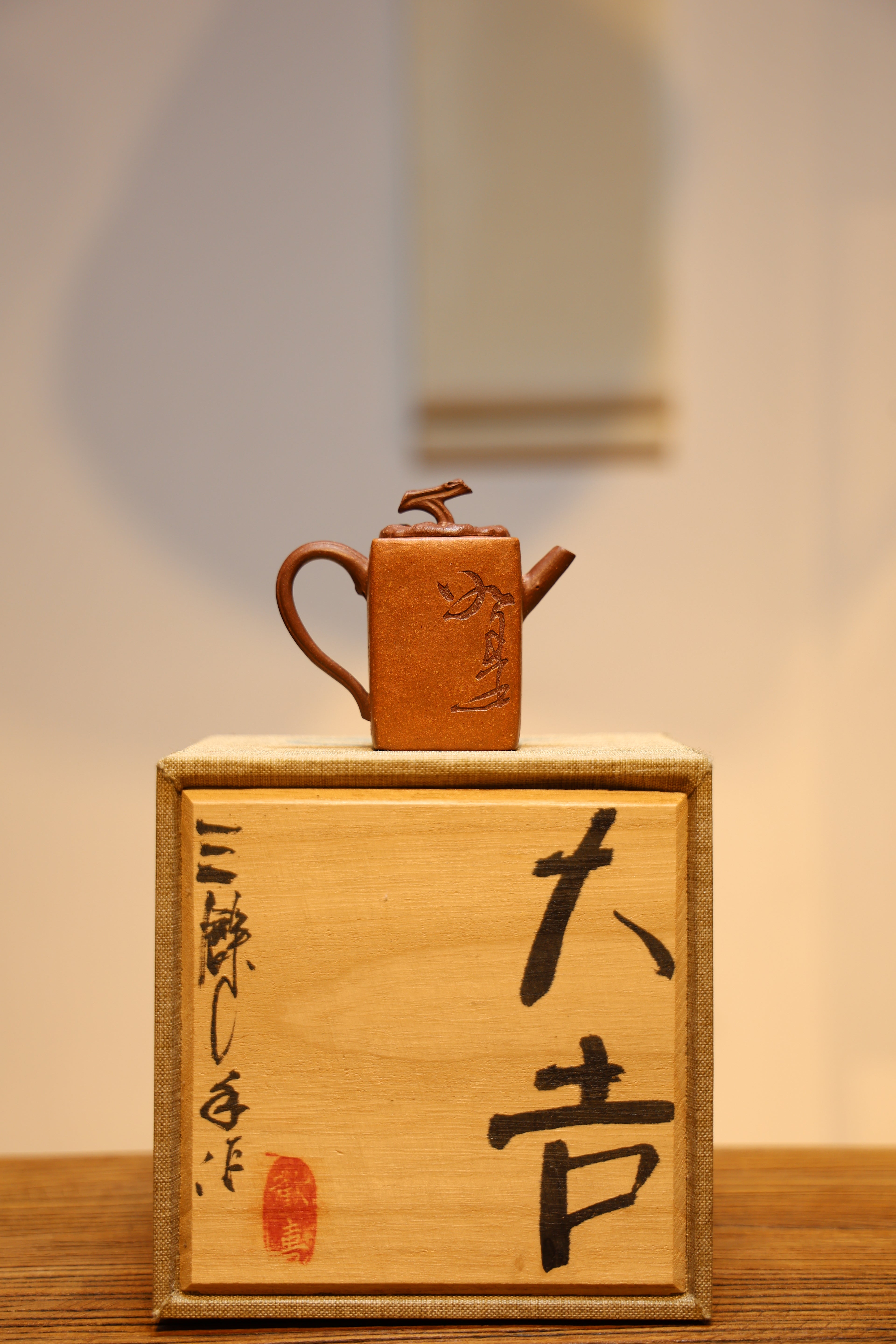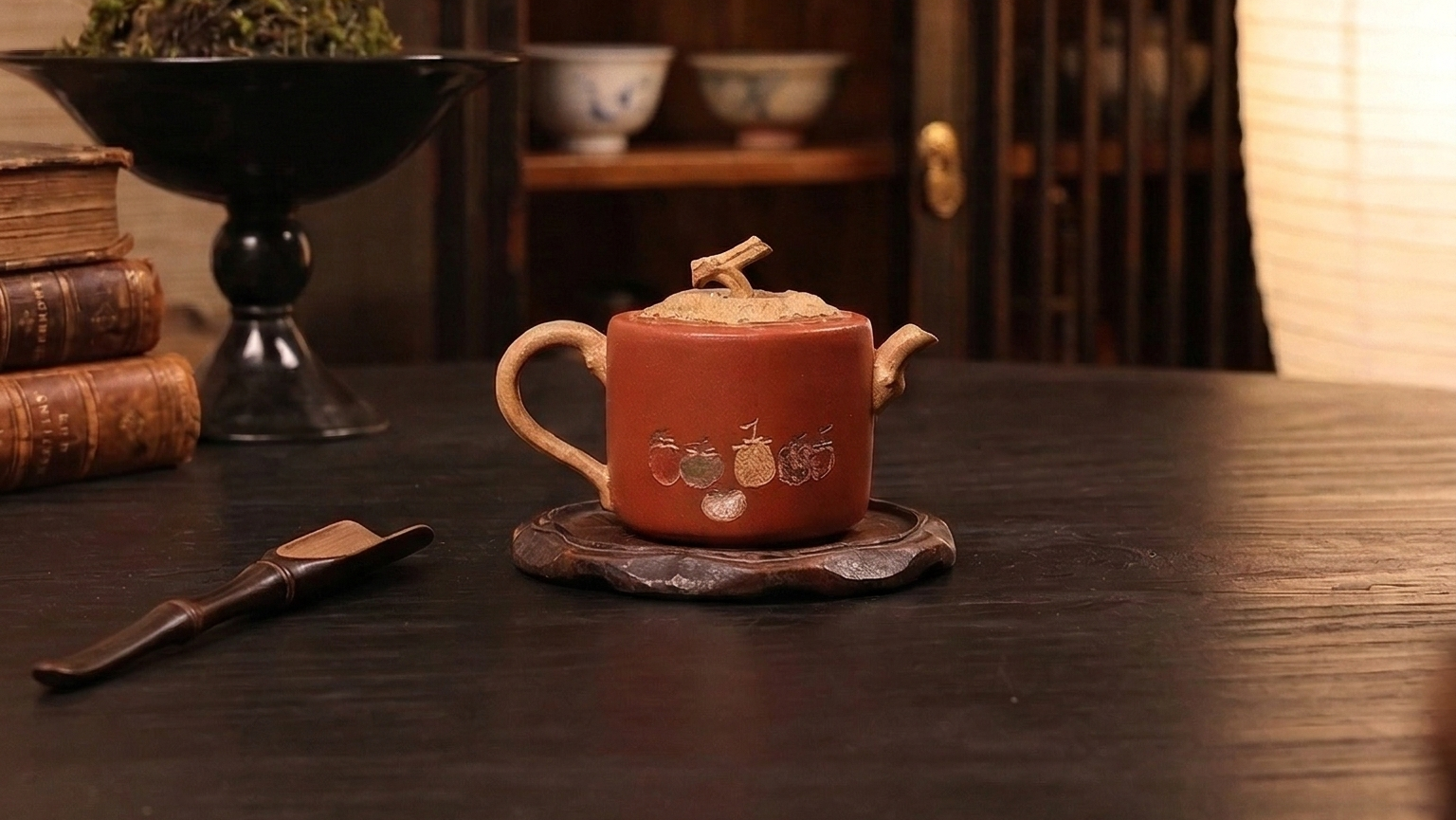
Enduring lineage determines Zisha pottery alongside epochs,
Expressing peculiar attributes extracted across local violet clays, the urns develop a finish amid operation, strengthening profile gathered from brewed teas.
Comprehending Yixing Soil: Detailed Insights into Zisha
Countless aficionados appreciate the special grain of Yixing indigo clay, a bedrock of time-honored Chinese teaware. Emerging from the Yixing region of Jiangsu province, this exceptional clay boasts an intricate mineral form, whereby furnishes excellent qualities to the executed containers. Forms within Zisha, including Purple Mud, Duan Ni Mud, and Jiang Xi Mud, each has distinct pigments, grains, and temperatures traits, altering the permeability and the final accent maturation of the drink.
Oriental Pottery Cultures: Interpreting Technique
Celestial teapots embody surpassing mere pots for brew; they represent centuries of customary artistry. From the renowned Yixing clay variations, respected for their spongy nature which bestows exclusive flavors to the extract, to the refined porcelain from Jingdezhen, each piece tells a legend of labor. The creation process is an methodical mission, often passed down through tribes of masters. These experts use vintage processes such as hand-building, casting on wheels, and detailing, demonstrating profound reverence for the medium and the profession itself. Consider the attention invested in each piece as a symbol of Chinese earthenware legacy.
- Fine containers: a celebrated preference.
- Jingdezhen ware teapots: famed for their elegant design.
- Fabricating techniques: a laborious yet rewarding procedure.
Jiangsu Purple Teapot Upkeep: Preserving Your Precious Object
Proper preservation of your special Yixing Zisha vessel is paramount to preserving its quality. Crafted from celebrated purple sand mud, these premium teapots develop a lovely patina after utilization, considerably boosting their allure. Prevent detergents; a delicate rinse with pleasantly warm liquid is effective. Resist hot water for cleansing the teapot, as it may break down its structure. Allow it to fully dry away from powerful sunlight. Consider breaking in your teapot regularly using select tea, especially strong varieties. Here is a brief guide:
- Cleanse with pleasantly warm hydrous substance.
- Refrain from chemical agents.
- Grant it to lose dampness.
- Season with superior tea.
Background of Yixing Teapots: Initial Phases
The saga of Yixing teapots arises modestly during the Tang dynasty, about the 16th epoch. Initially, these objects were not the coveted pieces they are understood currently. They were fabricated by domestic potters using the exclusive purple clay discovered solely in the Yixing vicinity. These early creations were primarily utilitarian, designed for everyday application and often basic in style. It was not until the later dynasty that they started to earn recognition beyond mere practical wares.
Choosing the Ideal Yixing Urn: A Elementary Overview
Starting the field of Yixing teapots can be formidable, but never fearing! For beginners, the primary factor is understanding the substrate. True Yixing clay is prized for its permeability, allowing the teapot to capture the tea's flavor over time, improving every brewing session. Think about the form; traditional round shapes prevail, yet individual preferences count. Lastly, examine the finish—while some favor an raw appearance, others enjoy a gentle gloss. Take your time in the selection process—this is an investment in a cherished piece of craftsmanship.
Purple Clay Pots and Their Importance on Chinese Concoction Heritage
Zisha vessels, born from Yixing, China, have profoundly affected ancient Chinese tea culture. Those Yixing clay teapots, prized for their special color, makeup, and exceptional ability to impart a subtle bouquet to the tea, represent more than mere holders; they are admired pieces of art and symbols of distinction. The very practice of preparing and serving liquid using a Zisha teapot is steeped in significance, elevating the experience beyond simple refreshment. Successions of artisans have mastered their techniques, passed down through families, resulting in highly esteemed pieces. As a result, Zisha teapots are frequently valued, playing a crucial part in cultivating traditional appreciation for aesthetics and the practice of brew ceremonies.
- Unique Clay Composition
- Contributing Subtle Flavor
- Decorative Craftsmanship
Confirming Real Special Native Pieces
Buying a truthful Yixing teapot can be a fulfilling experience, but the environment is often infested with frauds. Differentiating between a real antique and a recent reproduction requires precise inspection. Key clues include the clay's mahogany shade, often displaying striped marks, and the shortage of modern firing imprints. The design should exhibit natural class, reflecting the traditional Yixing custom. Finally, researching the artist's signature is important to verify validity against recognized records.
- Assess the clay's surface.
- Look for flaws, indicative of manual quality.
- Hire an expert for authentication.
Obtaining Yixing Ceramic Vessels: A In-Depth Instruction to Zisha Understanding
The field of 宜兴 Zisha pottery affords a significant circumstance for discerning enthusiasts. Continuously, the market price of Zisha Teapot these well-made artifacts is steered by various elements, such as the caliber of earthenware, the craftsmanship of the producer, the time-honored consequence, and, naturally, the recent market. Newcomers should focus on researching the several kinds of Zisha clay—such as Frozen River, Quiet Jug, and Ruby Mud—and exploring the aspects linked to each. Precise appraisal of the object's profile, pigment, and imprint is likewise important to make responsible selections when investing.