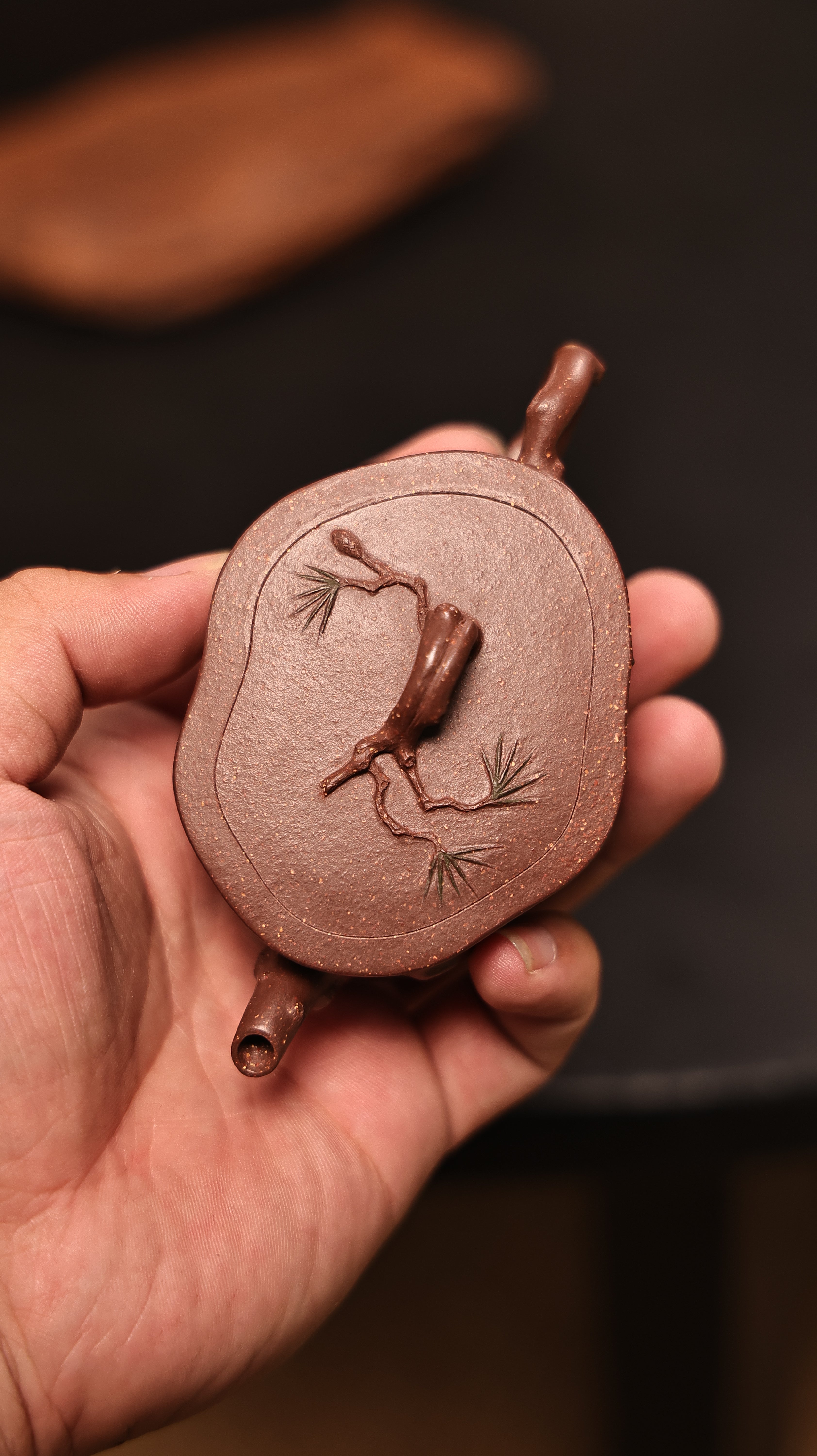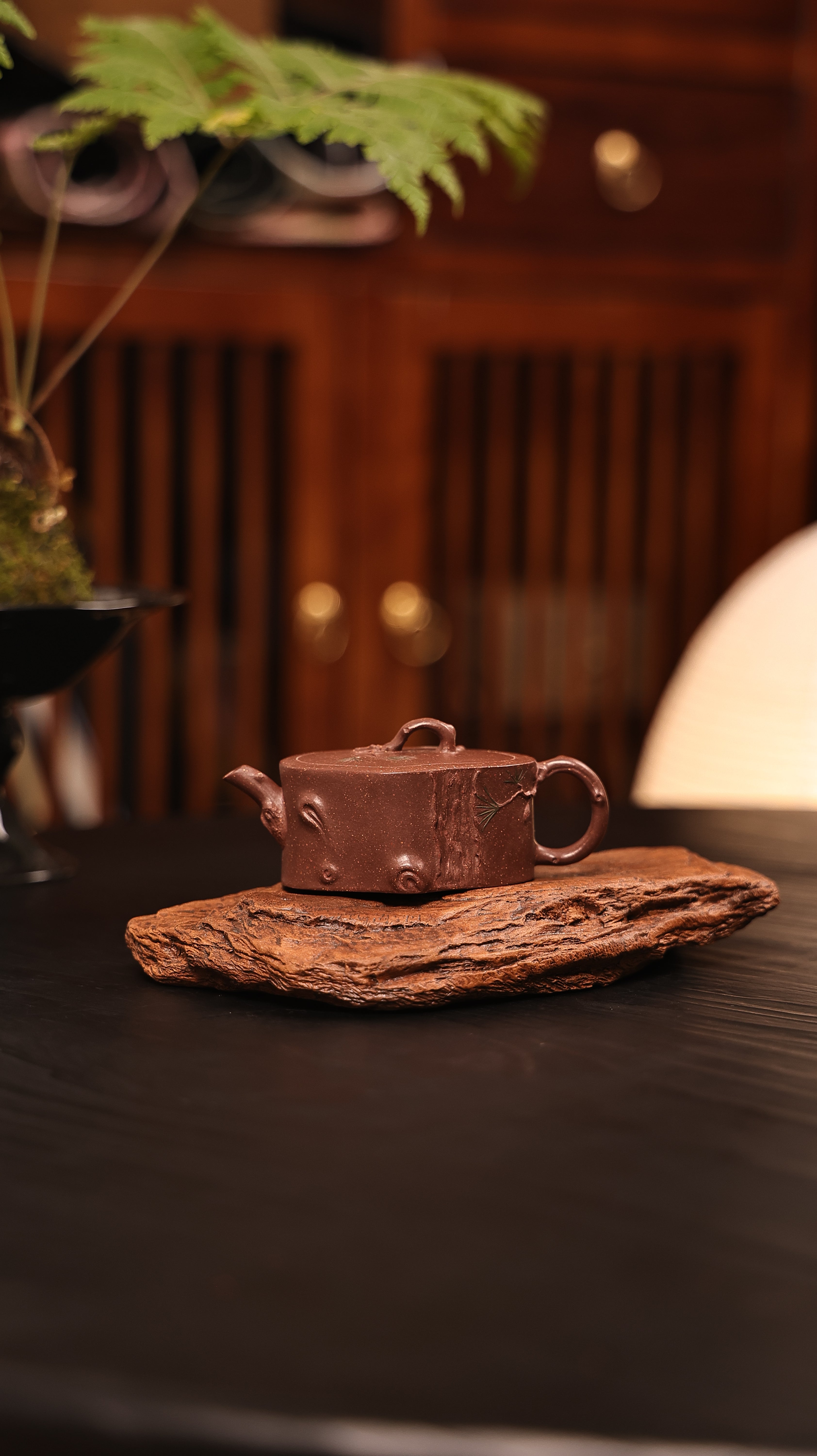
In the realm of timeless legacies,
Over ages, admirers have been mesmerized by the exceptional charm of Yixing Zisha urns. Originating from the zone of Yixing in the Jiangsu Province, these artifacts are renowned for their distinguished beauty, exclusive clay, and built-in ability to refine the savor of the beverage. The element's distinctive burgundy hue, combined with the proficient manufacture of environmental fabricators, creates artworks that are at once functional creations and costly assets. Owning a Zisha teapot is more than just the purchase; it's immersing oneself in a rich historical heritage.
Comprehending Yixing Teapots: Background, Types, and Value
Yixing teapots are a notable chronicle deeply intertwined with Chinese culture. Rooted in the Yixing region of Jiangsu province, these clay vessels contain a heritage going back to the Ming Dynasty. Preceding copyrightples were functional, but during centuries, Yixing teapot fabrication evolved into an esteemed art form. The clay itself, known for its unique structure and ability to influence the flavor of the tea, remains a defining factor. Yixing teapots materialize in various kinds, broadly categorized by shape: Established such as Zhuni (purple Zisha Teapot clay) and Bisheng, as well as advanced designs. The worth of a Yixing teapot is on several factors, including the potter’s distinction, the age of the piece, the rarity of the clay, and its aesthetic charm.- Heritage: Centuries ago
- Medium: Assorted selections
- Cost Determinants: Craftsman's renown
Mastering Zisha: Tactics and Builders
Distinct formation of a authentic Zisha teapot is a elaborate process, requiring long spans of expertise. Proficient artisans meticulously extract the purest Zisha clay, a exceptional earth found only in specific regions of China. Customary techniques, often passed down through families, involve detailed shaping, nuanced carving, and unhurried firing in ancient fireplaces. The culminating teapot isn't merely a receptacle; it's a testament to artistic vision and the intense connection between the potter and their inheritance. Each item showcases the personal touch of the fabricator, resulting in a truly exceptional work of making.
A Craftsmanship: copyrightining the Profound Customs of the Yixing Territory
The Yixing City, situated in Jiangsu the area, is globally renowned for its exceptional ceramics – a tangible representation of centuries of Chinese art. These aren't merely vessels for making tea; they are intricate works of creativity, often reflecting cultural ideals. That unique purple clay, known as Zisha, possesses uncommon qualities: it is dense, letting air through, and imparts a subtle flavor to the tea.
- Countless bloodlines have honed the techniques of Yixing pot making, passing down preserved methods through times.
- Collectors prize these pieces for their appearance and oddity.
- Each vessel tells a legend, connecting the recipient to a rich past.
Engaging in Yixing Zisha: Essential Tips
As copyrightining collecting Yixing Zisha earthen pots, several aspects necessitate careful analysis. Preliminarily, the ingredient's color is crucial; authentic Zisha generally exhibits a particular carmine depth. Also, consider the handiwork; detailed details and a smooth finish suggest talented creation. Ultimately, determine the potter's background; noted names garner increased premiums and often guarantee a stable appreciation.
Brewing Excellence with Zisha Teapots
Steeping savory tea with a Zisha pitcher is more outstripping a simple custom; it's an technique. Zisha clay, recognized for its unique chemical composition, imparts a soft character to the composed tea that’s often not found with other vessels. The correct water heat is vital; typically, moderated than what's used for black tea, to conserve the tea's bouquet and character. Consider attentively the tea variety; delicate green teas or aged pu-erhs advance from the Zisha’s ability to lessen their original edge. It’s vital to rinse the teapot earlier than brewing, and to exclude over-steeping. Mastering this skill leads to a authentically exceptional tea experience.
- Realizing Zisha Clay
- Heat Intensity & Tea Category
- Necessity of Preheating
Safeguarding Your Distinctive Clay Pot
Intending to maintain the existence of your treasured Yixing container, consistent protection is essentially necessary. Eschew using soapsuds; instead, gently purify it with lukewarm hydrous medium. Refrain from sudden variations; don't deposit the clay pot directly onto a thermally active burner. Periodically, develop the kettle by processing it with top-notch puerh liquid, as this helps to increase its character and shields the unique features of the dirt.
About Element to Container: The Transition of a Purple Vessel
The creation of a Zisha teapot is a noteworthy mechanism, a expression to both nature's bounty and the ability of the handworker. It commences with the thorough extraction of the unique clay from the magenta Zisha mines by Yixing. This raw material, known for its extraordinary peculiarities, is then slowly filtered and arranged for the preliminary forming. The bottle’s configuration is carefully developed using a concoction of ancient modeling systems, often incorporating intricate patterns. Following maturing, the urn undergoes a paramount first firing, succeeded by a finishing stage, which might involve a series of layers of unprocessed Zisha slips. Finally, a second, and sometimes third, firing at intense temperatures finalizes the object, revealing its finished beauty and fantastic characteristics - a true masterpiece, available to adorn a tea practice.
{Yixing Teapots: A Manifestation of a Customary Practice and Appreciation
This Yixing teapots, originating from the celebrated Yixing region of Jiangsu province, are far more than mere receptacles for brewing brews; they represent a major aspect of Chinese traditions. Constructed from distinctive purple clay – zisha – these uncommon teapots are highly esteemed for their ability to refine the flavor of the tea and, crucially, for their elegance. The chronicle of Yixing teapot making spans centuries, and the technique involved is entrusted through generations, making each teapot a decorative item that embodies lasting techniques and a profound appreciation for the pure pleasures in life.