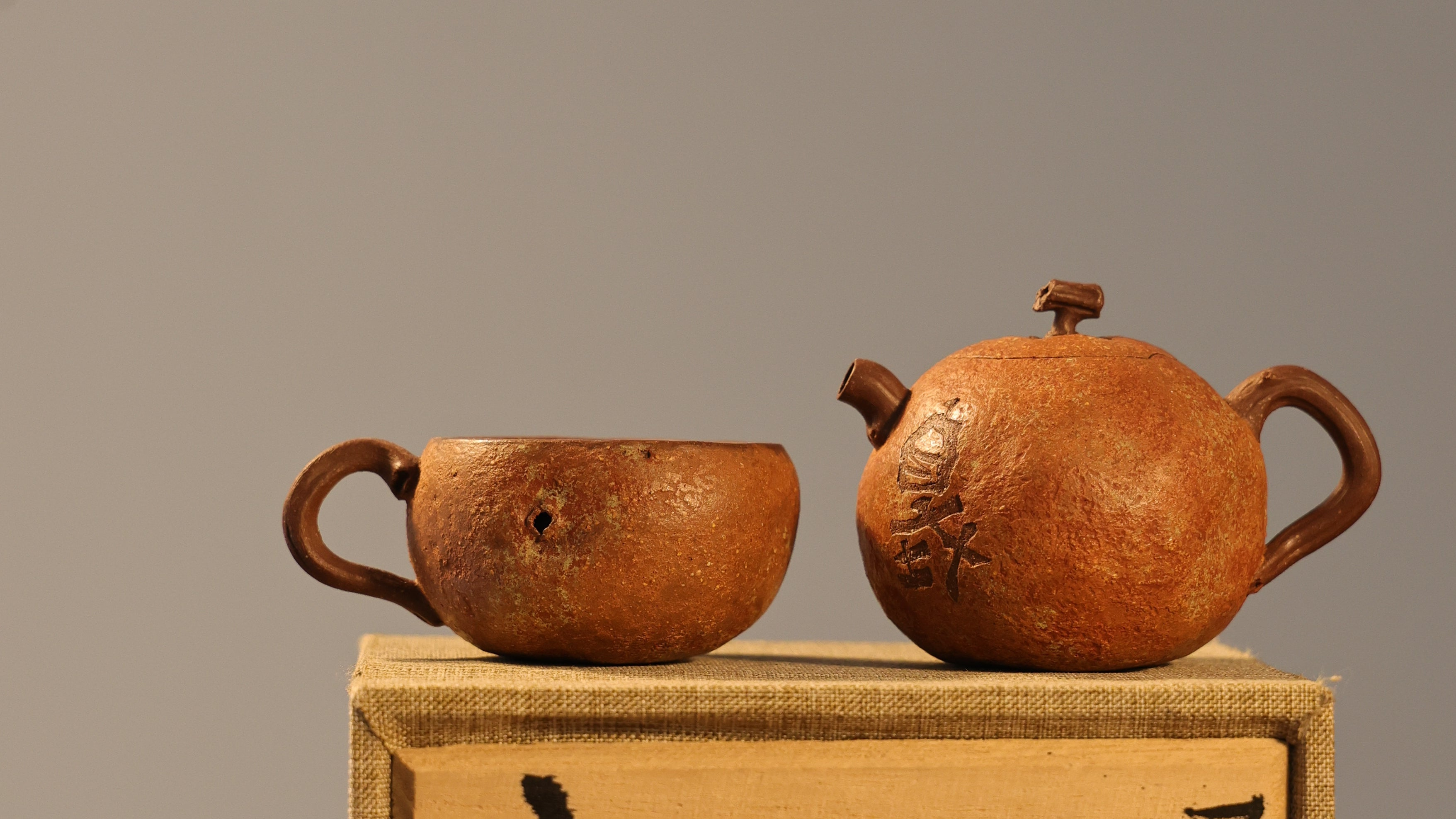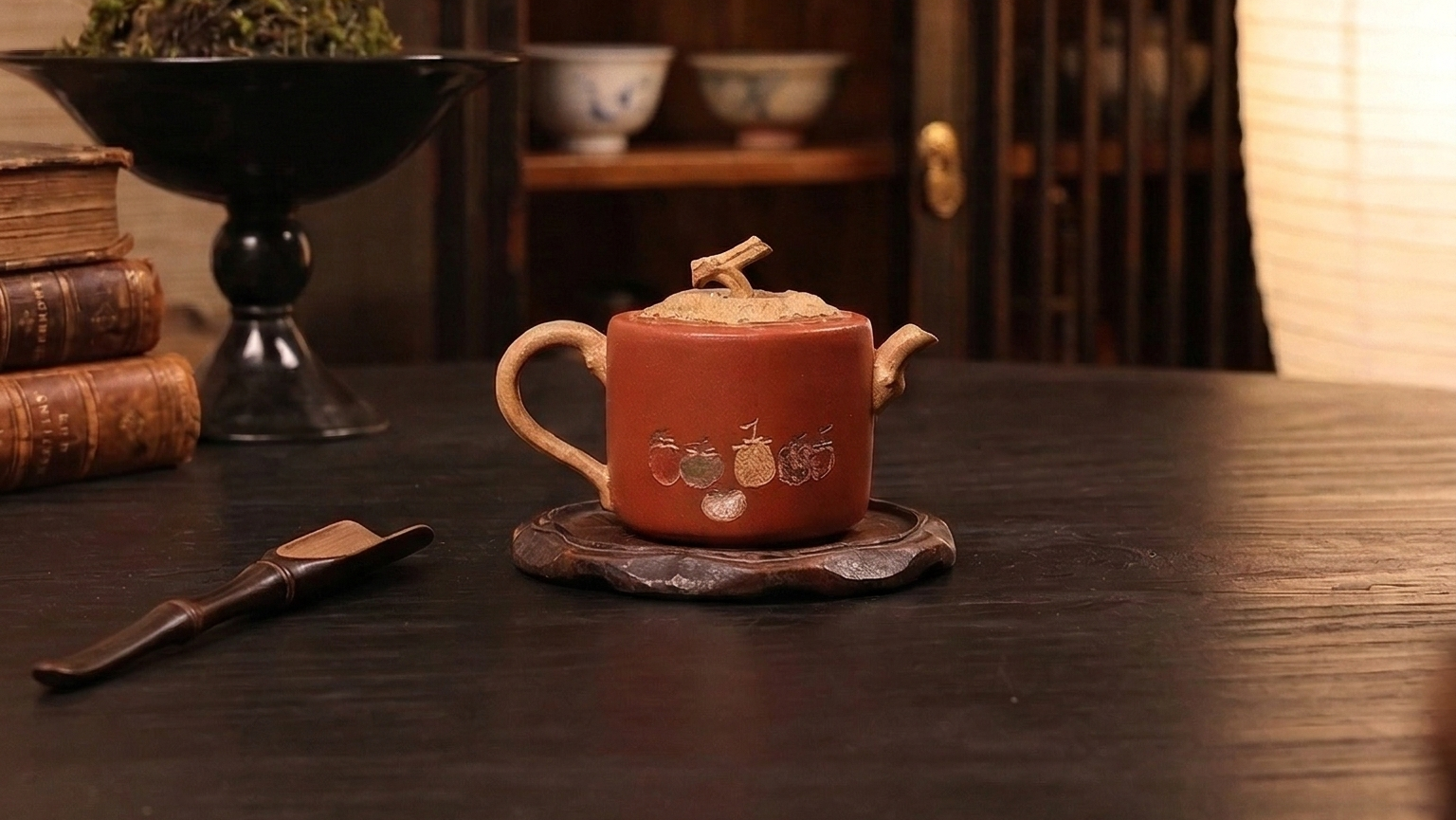
Timeless history determines Zisha clay vessels within ages,
Demonstrating original attributes gathered among territorial lavender substances, such jars build up a glow amid employment, refining bouquet drawn from infused infusions.
Comprehending Yixing Clay: In-Depth Insights into Zisha
Various admirers celebrate the peculiar consistency of Yixing indigo clay, a bedrock of classic Chinese pottery. Springing from the Yixing region of Jiangsu province, this exquisite clay holds an detailed mineral makeup, which furnishes excellent qualities to the produced pots. Variants within Zisha, including Zi Mud, Duan Ni Mud, and Jiang Xi Mud, each provides individual shades, materials, and drying traits, altering the permeability and the ultimate profile enhancement of the infusion.
Celestial Pitcher Heritage: Learning Technique
Sino teapots embody over mere jars for brew; they manifest centuries of heritage knowledge. From the exemplary Yixing clay variations, respected for their breathable nature which infuses particular tastes to the drink, to the refined porcelain from Jingdezhen, each piece narrates a record of devotion. The forming process is an detailed practice, often bequeathed through families of specialists. These masters use vintage methods such as hand-building, sculpting on wheels, and decorating, demonstrating profound reverence for the matter and the art itself. Think about the dedication invested in each piece as a symbol of Chinese stoneware legacy.
- Purple sand flasks: a famous assortment.
- Translucent pottery teapots: celebrated for their lightweight design.
- Crafting techniques: a difficult yet fulfilling procedure.
Jiangsu Purple Teapot Protection: Sustaining Your Prized Possession
Optimal maintenance of your unique Yixing Zisha flask is vital to enhancing its durability. Crafted from distinct purple sand mud, these premium teapots mature a subtle patina after operation, meaningfully boosting their allure. Do not use chemicals; a tender rinse with tepid moisture is efficient. Steer clear of hot water for rinsing the teapot, as it may weaken its body. Allow it to dry away from direct radiance. Consider flavoring your teapot regularly using choice tea, especially rich varieties. Here is a brief summary:
- Flush with temperate aqueous.
- Shun detergents.
- Permit it to evaporate moisture.
- Mature with choice tea.
Background of Yixing Teapots: Initial Phases
The history of Yixing teapots emerges initially during the Zhao dynasty, estimated the 16th interval. Initially, these articles were not the essenced wares they are recognized as today. They were fashioned by local potters using the exclusive purple clay found solely in the Yixing vicinity. These early productions were essentially utilitarian, fashioned for habitual performance and often minimal in layout. It was not until the next dynasty that they initiated to earn status beyond mere utility wares.
Choosing the Ideal Traditional Jar: A Introductory Introduction
Entering the domain of Yixing teapots can be daunting, but do not fretting! For first-timers, the fundamental factor is understanding the earth. Genuine Yixing clay is prized for its porosity, allowing the teapot to lock in the tea's profile over time, elevating every infusing session. Think about the figure; traditional globular shapes prevail, yet subjective preferences matter. Lastly, analyze the overlay—while some favor an natural appearance, others appreciate a nuanced gloss. Take your time in the acquisition process—this is an acquisition in a appreciated piece of creation.
Eastern Clay Vessels and Their Importance on Chinese Liquid Tradition
Zisha kettles, emerging from Yixing, China, have profoundly influenced historic Chinese liquid culture. These Yixing clay teapots, prized for their particular shade, fabric, and exceptional ability to impart a subtle essence to the beverage, represent more than mere holders; they are admired objects and symbols of status. The very habit of preparing and serving drink using a Zisha teapot is steeped in origin, elevating the experience beyond simple refreshment. Lineages of artisans have perfected their techniques, passed down through clans, resulting in highly desired pieces. Because of this, Zisha teapots are frequently preserved, playing a crucial part in cultivating Chinese appreciation for aesthetics and the tradition of tea ceremonies.
- Signature Clay Composition
- Conveying Subtle Flavor
- Beautiful Craftsmanship
Recognizing Certified Rare Native Pieces
Buying a verified Yixing teapot can be a rewarding experience, but the sector is often saturated with copies. Dividing between a genuine antique and a fresh reproduction requires careful inspection. Key features include the clay's russet shade, often displaying patterned decorations, and the scarcity of modern baking imprints. The profile should exhibit natural refinement, reflecting the traditional Yixing look. Finally, evaluating the artisan's emblem is paramount to verify legitimacy against recorded literature.
- Assess the clay's texture.
- Look for defects, indicative of bespoke quality.
- Utilize an specialist for appraisal.
Collecting Yixing Ceramic Vessels: A Complete Overview to Clay Art Evaluation
The world of Chinese Zisha objects shows a remarkable prospect for knowledgeable buyers. Gradually, the appraisal of these well-made artifacts is steered by various elements, such as the caliber of earthenware, the mastery of the creator, the heritage relevance, and, naturally, the contemporary appetite. Initiates should familiarize themselves on grasping the varied forms of Zisha clay—such as Icy Wave, Hushed Pot, and Hong Ni—and familiarizing the details Purple Clay Teapot linked to each. Attentive scrutiny of the craft's profile, pigment, and imprint is equally vital to make astute choices when investing.