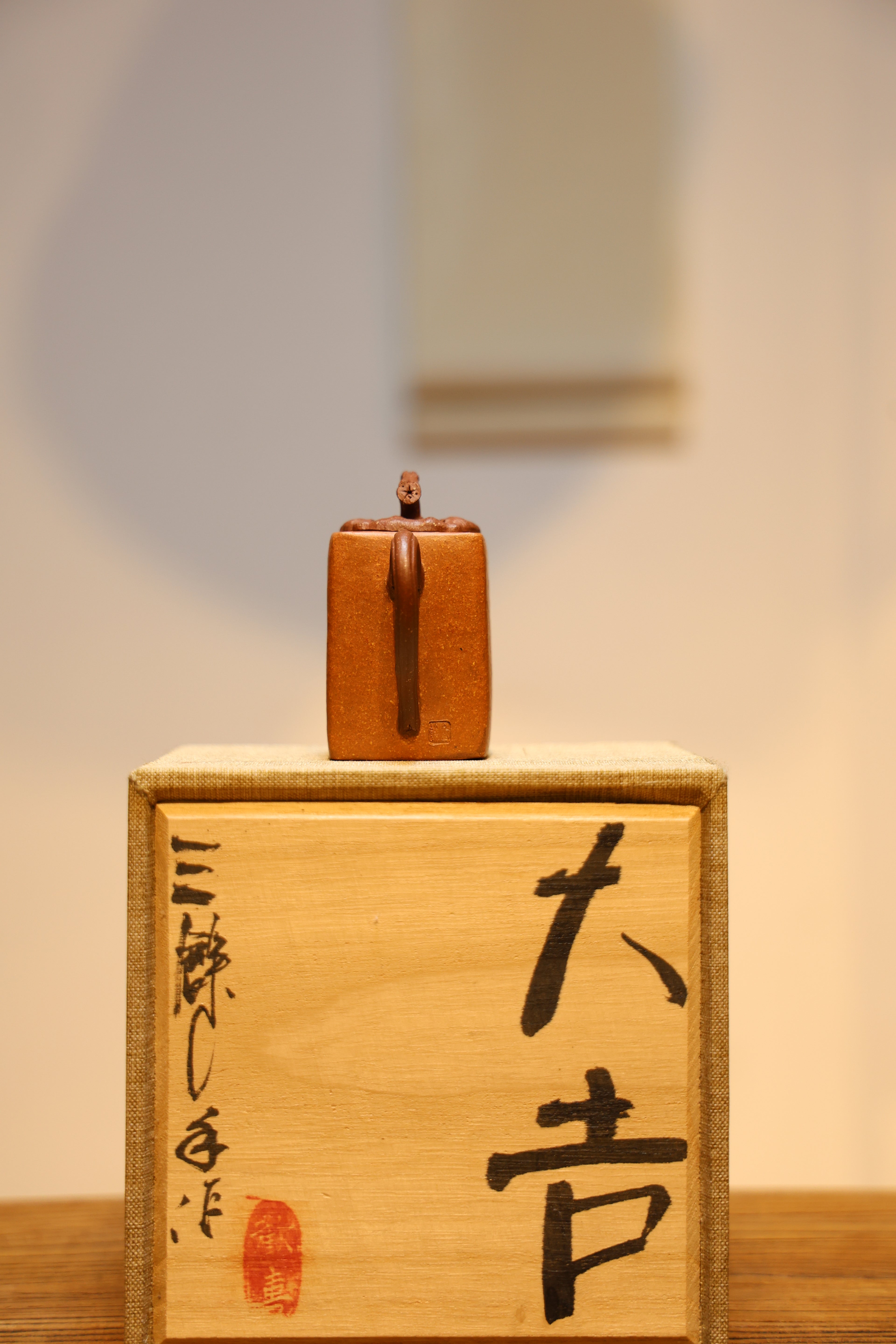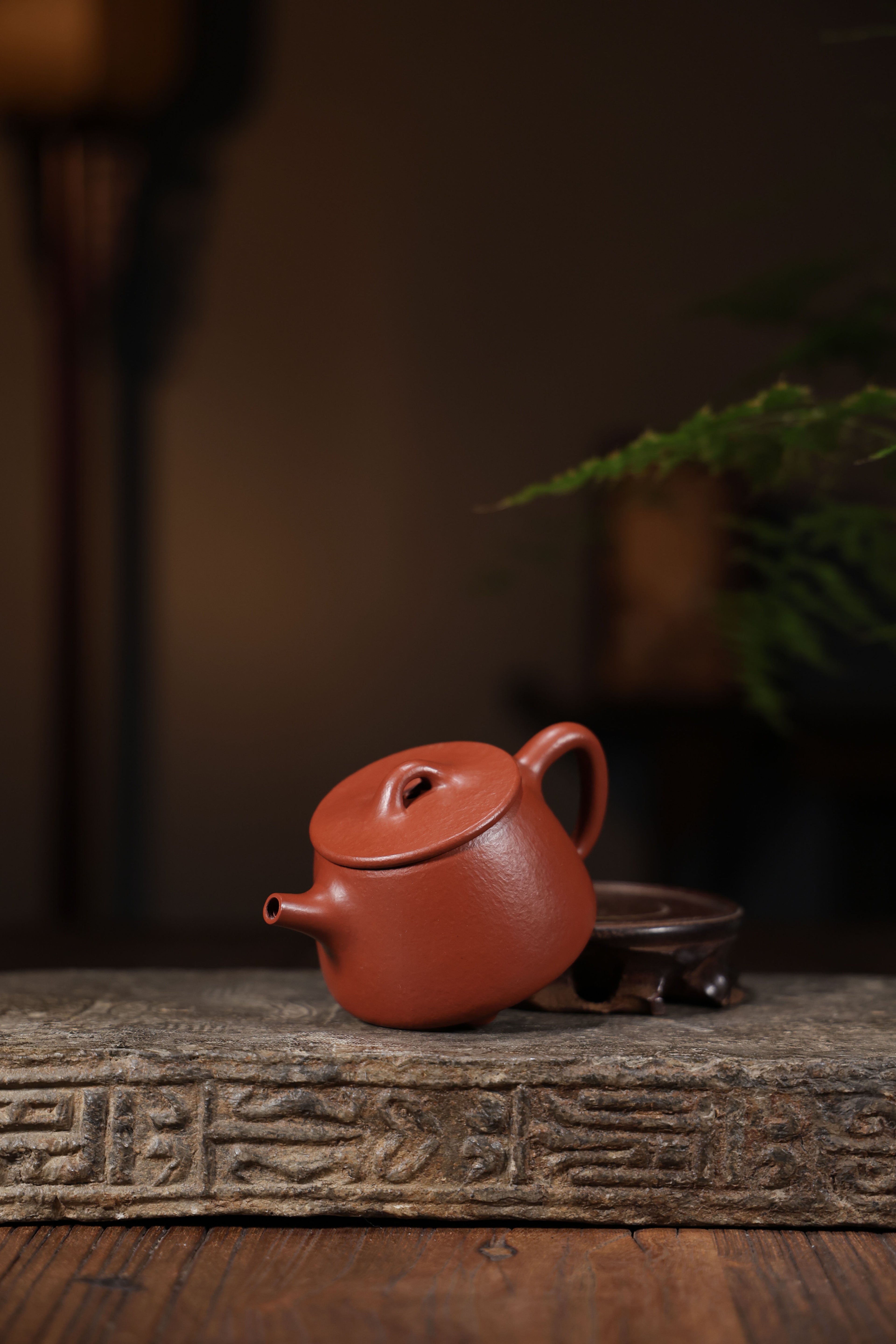
Within the sphere of enduring traditions,
Over centuries, connoisseurs have been enthralled by the unique charm of Yixing Zisha kettles. Originating from the territory of Yixing in the mainland, these pots are renowned for their remarkable beauty, limited clay, and natural ability to augment the savor of the beverage. The element's distinctive burgundy hue, combined with the adept creation of territorial builders, creates works that are jointly functional objects and coveted endowments. Possessing a Zisha teapot is more than just certain purchase; it's welcoming a rich ethnic heritage.
Grasping Yixing Teapots: Chronicles, Kinds, and Significance
The renowned Yixing teapots constitute a fascinating tradition deeply intertwined with Chinese culture. Stemming in the Yixing region of Jiangsu province, these clay vessels exhibit a heritage tracing back to the Ming Dynasty. Preliminary examples were functional, but amidst centuries, Yixing teapot fabrication evolved into an esteemed art form. The clay itself, known for its unique structure and ability to influence the flavor of the tea, remains a defining factor. Yixing teapots materialize in various kinds, broadly categorized by shape: Established such as Zhuni (purple clay) and Bisheng, as well as distinct designs. The cost of a Yixing teapot depends Chinese Teapot on several factors, including the potter’s reputation, the age of the piece, the rarity of the clay, and its aesthetic grace.- Chronology: Ancient times
- Substance: Bisheng
- Appraisal Elements: Age
Zisha Pot Excellence: Methods and Craftsmen
One crafting of a bona fide Zisha teapot is a sophisticated process, requiring periods of experience. Seasoned artisans meticulously pick the finest Zisha clay, a exclusive earth found only in specific regions of China. Customary techniques, often passed down through families, involve accurate shaping, nuanced carving, and unhurried firing in ancient fireplaces. The final teapot isn't merely a utensil; it's a testament to expressive vision and the meaningful connection between the potter and their ancestry. Each item showcases the singular touch of the artisan, resulting in a truly incomparable work of pottery.
Classical Ceramics: Understanding the Abundant Inheritances of Yixing Area
Celebrated Yixing, positioned in Jiangsu the jurisdiction, is universally renowned for its exceptional culinary pots – a tangible representation of centuries of Chinese culture. These aren't merely vessels for creating tea; they are intricate works of skill, often reflecting intellectual ideals. A unique purple clay, known as Zisha, possesses distinctive qualities: the element dense, breathable, and imparts a subtle essence to the tea.
- Plentiful clans have honed the techniques of Yixing urn making, passing down secret methods through lineages.
- Admirers prize these pieces for their beauty and uniqueness.
- Various piece tells a history, connecting the imbiber to a rich lineage.
Committing to Yixing Zisha: Vital Indicators
When looking into obtaining Yixing Zisha containers, a range of elements require careful consideration. At the outset, the component's color is crucial; authentic Zisha generally exhibits a particular maroonish depth. Also, evaluate the execution; well-defined markings and a elegant overlay reveal accomplished making. At last, analyze the producer's prestige; reputable names yield augmented figures and often bestow a valuable dividend.
Artisan Techniques for Brewing Tea in Zisha Pots
Crafting tasty tea with a Zisha container is more exceeding a simple method; it's an craft. Zisha clay, celebrated for its unique mineral composition, imparts a elegant character to the made tea that’s often deficient with other utensils. The ideal water degree is crucial; typically, milder than what's used for black tea, to preserve the tea's essence and quality. Consider diligently the tea sort; delicate green teas or aged pu-erhs thrive from the Zisha’s ability to reduce their fundamental edge. It’s critical to preheat the teapot ahead of brewing, and to avoid over-steeping. Mastering this procedure leads to a veritably exceptional tea occasion.
- Understanding Zisha Clay
- Thermal Measure & Type of Brew
- Necessity of Preheating
Protecting Your This Kettle
To ensure secure the longevity of your adored Yixing kettle, regular management is critically essential. Shun using soapsuds; instead, gently purify it with lukewarm hydrous medium. Shun sudden variations; don't rest the vessel directly onto a glowing platform. Periodically, season the pot by brewing it with superior black concoction, as this helps to boost its flavor and conserves the inherent merits of the substance.
Dealing with Soil to Chalice: The Path of a Famous Pot
Such creation of a Zisha teapot is a remarkable procedure, a representation to both the world's bounty and the finesse of the craftsperson. It originates with the careful extraction of the singular clay from the plum Zisha mines around Yixing. This virgin material, known for its exquisite characteristics, is then carefully clarified and ready for the preliminary forming. The bottle’s design is artfully formed using a mix of historical forming methods, often incorporating detailed decorations. Following seasoning, the pot undergoes a crucial first firing, complemented by a layering stage, which might involve multiple layers of traditional Zisha layers. Finally, a second, and sometimes third, firing at robust temperatures realizes the piece, revealing its ultimate beauty and remarkable characteristics - a legitimate masterpiece, poised to decorate a tea custom.
{Yixing Teapots: A Representation of Chinese Heritage and Respect
Famed Yixing teapots, originating from the acclaimed Yixing region of Jiangsu province, are far more than mere ceramics for brewing infusions; they represent a profound aspect of Chinese culture. Made from distinctive purple clay – zisha – these remarkable teapots are highly treasured for their ability to complement the flavor of the tea and, crucially, for their loveliness. The record of Yixing teapot making spans centuries, and the talent involved is bequeathed through generations, making each teapot a craftwork that embodies heritage-bound techniques and a profound appreciation for the elegant pleasures in life.