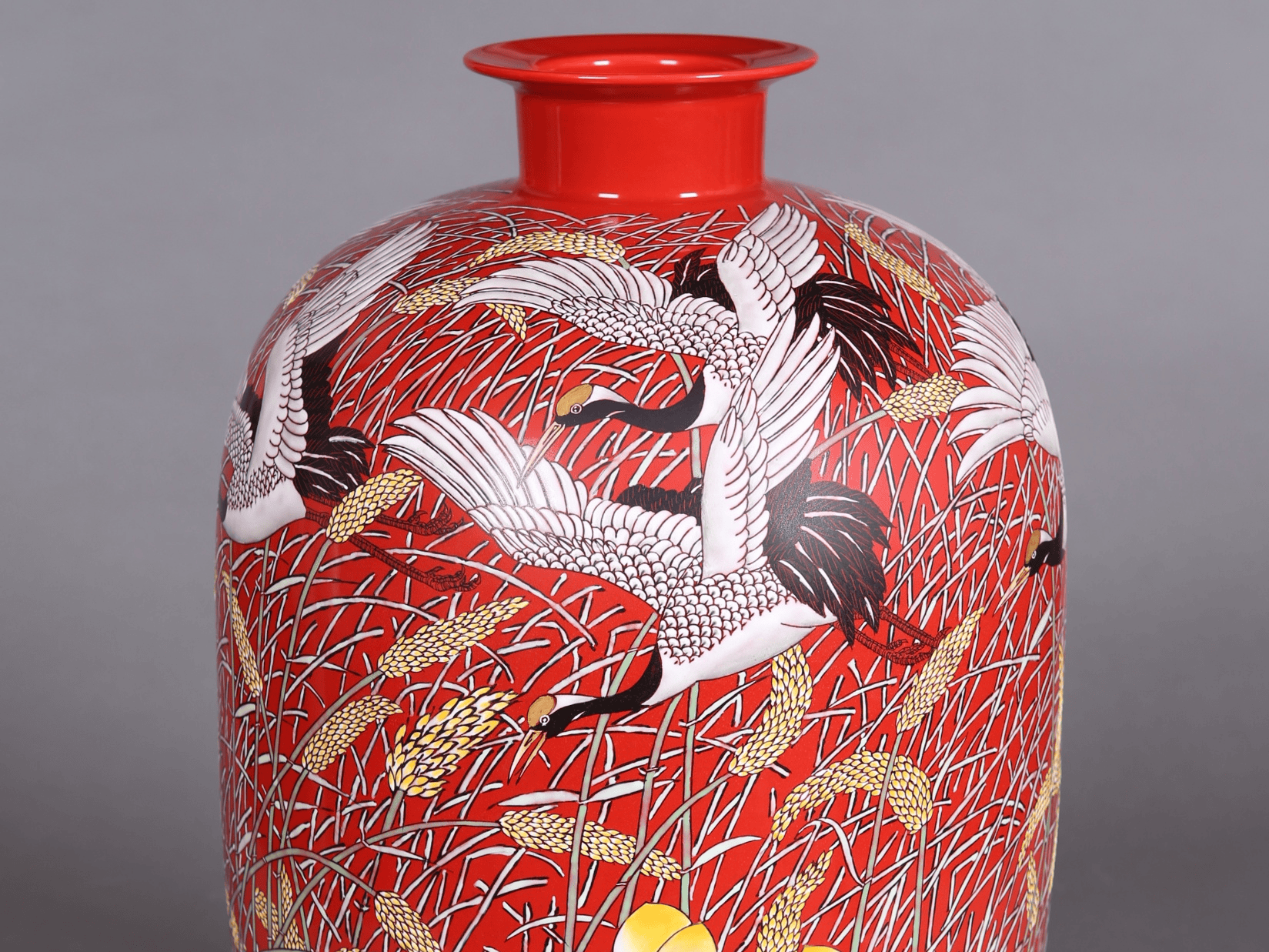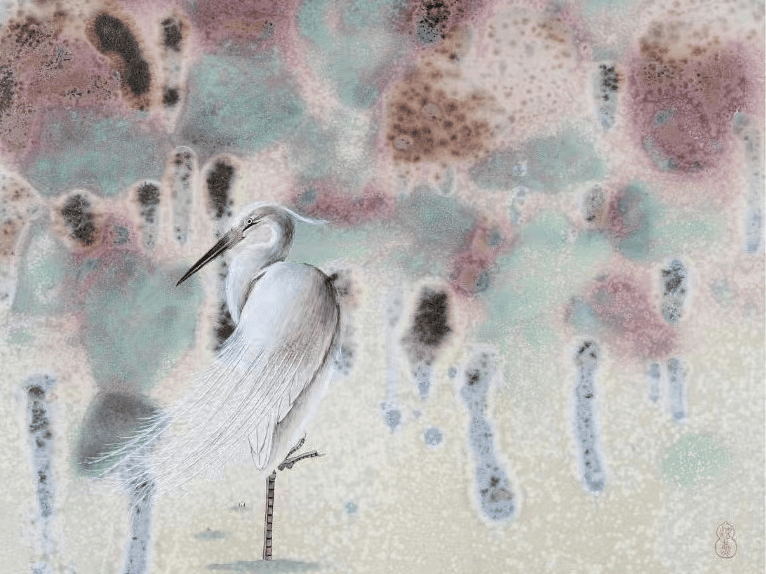
Pottery form illustrates a exceptional field style with a enduring past, covering back thousands of ages. From ancient pots to current showcases, the material offers exceptional possibilities for creative rendering. Designers manipulate different techniques – including assembling, wheel throwing, and intricate firing processes – to fashion humble silt into evocative three-dimensional sculptures. The robustness of fired pottery also contributes to its status as a truly timeless part of human custom.
Exploring Pottery Shield Motifs and Procedures
The landscape of ceramic badge design offers a ample array of expressive possibilities. Sculptors often employ a combination of conventional and current techniques to craft visually striking pieces. These can extend from simple, molded reliefs to complex, multi-layered designs. Typical methods include slip casting, hand shaping, surface glazing – which can involve an array of styles like primary coloration, surface glaze ornamentation, and carved drawing where designs are highlighted by excavating a layer of shell. Enhanced scrutiny into finishing techniques such as the raku firing method and lustre decoration can produce truly distinctive and customized ceramic plaques.
- Slip Casting - Assembling pieces using a frame
- Physical Construction - Delicately building the mud
- Surface Finishing - Layering the top with a glassy finish
- Scratched decoration - Disclosing designs by taking away coatings
Immersive Experiences: Pottery Art Showcases
The advancing landscape of expression presents exciting fresh avenues for guests, and ceramic art installations are at the apex of this revolution. These aren't just static pieces; they are designed to envelop the audience member in a sensory ambiance. Imagine being surrounded by a forest of towering, glazed ceramic trees, or navigating a cluster of exquisite ceramic vessels. Many creators are now incorporating noises, radiance, and even scent to enhance the atmosphere of their work. Imagine the power of a room filled with hundreds of uniquely ceramic artifacts, each telling a chronicle. Frequently, such installations probe themes of natural world, memory, and personhood.
- Those installations blur the lines between craft and space.
- Viewing a ceramic art installation can be a deeply meaningful journey.
- Producers are redefining the limits of what is doable with clay.
This Radiance of the Pottery Vessel: Utility and Form
The stoneware vase represents a notable conjunction of usefulness and stylish appeal. Historically, these holders served a primary task in sustaining liquids, but their advancement has transformed them into highly valued works of art. Each work showcases the dexterity of the artist, demonstrating how contour can be as significant as utility. The conscientious shaping, the special glazes, and the holistic presence of a well-made urn can boost a space, offering both beauty and a modest reminder of the designer’s hand.
Current Porcelain Design : Extending Edges
Recent ceramic form represents a fascinating transition from time-honored practices. Artists are boldly testing with novel procedures, questioning the divisions between creation and additional craft mediums. From expansive installations to fine miniature pieces, aforementioned works scrutinize themes of character while simultaneously rethinking the definition of what earthenware can become. The byproduct is a active sphere of inventive expression.
Ceramic Tablet: Safeguarding Heritage in Earth
Clay plaques offer a remarkable method for registering significant events and persons. Contrasted with traditional metal or stone markers, these tough pieces of work are formed from cooked clay, creating a material link to the history. Regularly, they depict intricate models or beautifully rendered imagery, revealing stories that might otherwise be passed over. An technique, rooted in ancient communities, provides a elegant and immortal ceramic plaque way to pay tribute to our collective legacy.
- These can be placed in accessible spaces.
- A large number of are now classified historical objects.
Clay Art Displays: Modifying Sites
Porcelain art installations are becoming a powerful medium for builders to transform public and private spaces. These immersive pieces frequently involve significant clay figures that surround viewers, shifting their appreciation of the created environment. By utilizing diverse systems like artisanal crafting and intricate firing tactics, ceramic artists construct truly distinctive experiences, breaking down the edges between art and location. The effect is often a stirring metamorphosis that enhances the creative quality of the setting and cultivates interaction.
From Spindle to Marvel: The Trade of the Earthenware Receptacle
The journey of a earthenware receptacle from a simple lump of material to a developed work of creation is a testament to human craftsmanship. Conventionally, the process kicks off with the potter’s turntable, where the knowledgeable artisan forms the rotary mud into a cylindrical profile. This initial period demands skilfulness and a trained eye, followed by a delicate strengthening period. Once partially baked, the jar is ready for decoration, which may consist of decorating intricate designs, sculpting detailed portraits, or using a collection of textures. The ultimate cooking process then evolves the work into a durable and exquisite receptacle, a tangible reflection of the maker's creativity.
Carving with Stoneware: A Introduction to Stoneware Project
Delving the sphere of stoneware expression begins with understanding the fundamentals of carving with terracotta. A process requires meticulously incorporating and chiseling material to form three-dimensional pieces. Regardless of you're a learner or a expert sculptor, practicing with several types of earthenware – like porcelain – will enable you reveal your singular technique. Conclusively, terracotta carving is a fruitful process that joins expert know-how with inventive presentation.